
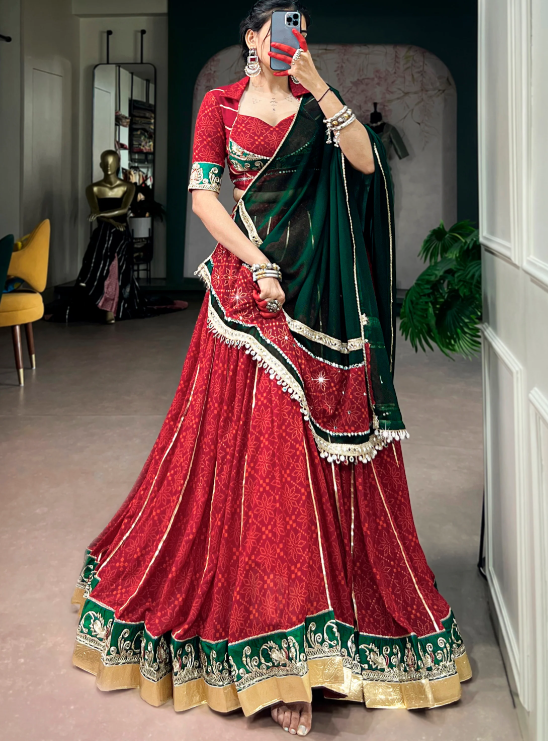
Comfort often gets overlooked in favor of appearance when shopping for festival wear, but a well-chosen traditional choli for navratri piece proves that both priorities can coexist. Movement-friendly construction matters just as much as embroidery or print.
Dancers who prioritize comfort from the start typically enjoy the full festival period more, avoiding the mid-celebration discomfort that comes from an outfit chosen purely for how it photographs rather than how it wears.
Neckline and Sleeve Choices That Support Movement
A moderate neckline depth, neither too high nor too low, tends to offer the best combination of coverage and freedom of movement for extended dancing. Sleeve length should allow full arm rotation without restriction.
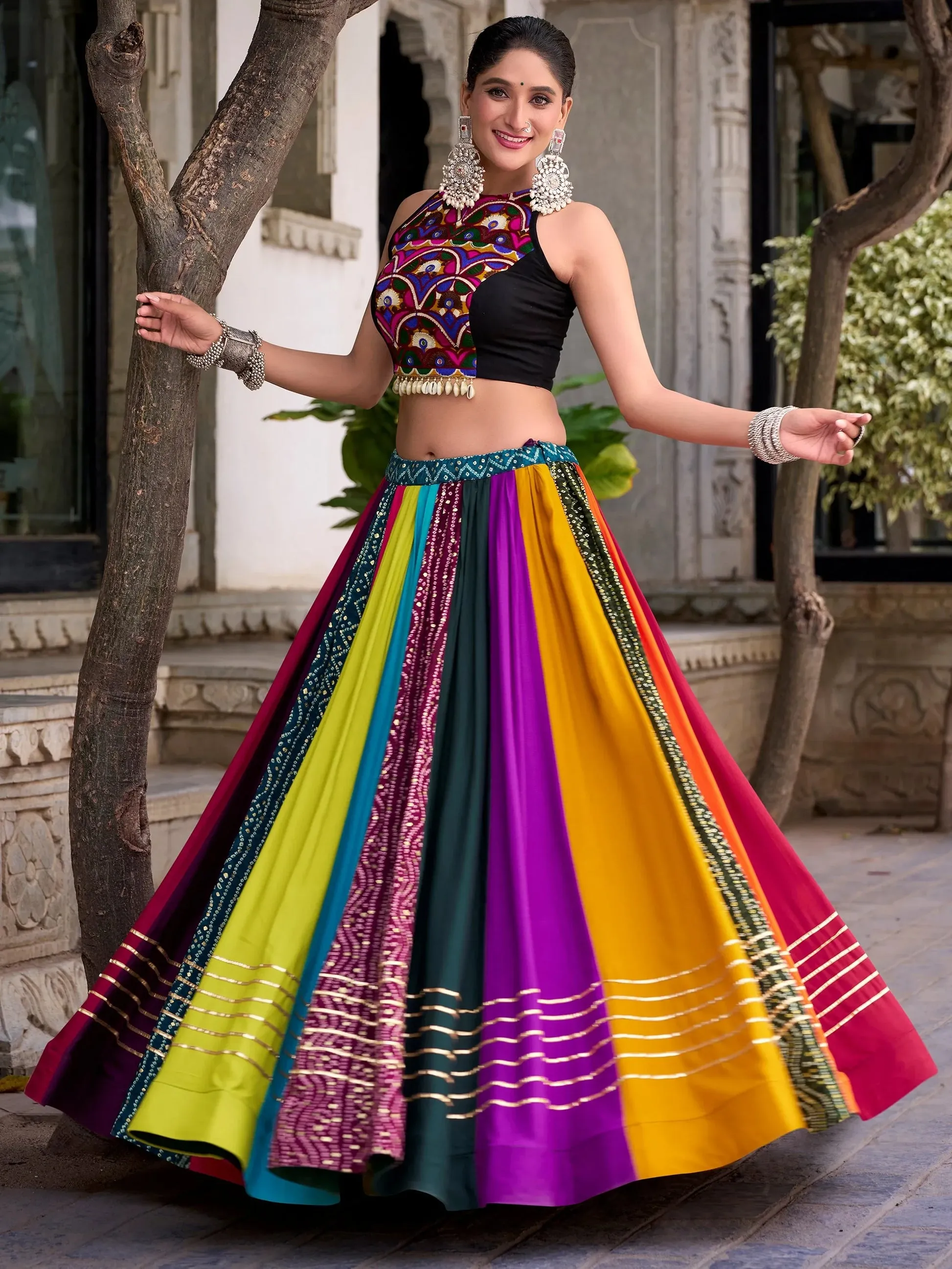
Shopping for a multicolor chaniya choli online option gives access to a wide range of colorful, movement-friendly designs, letting buyers compare cut and fit across many styles before settling on the one that suits their comfort needs best.
Testing Fit Before the Festival Begins
Trying the outfit on and moving through a few dance-like motions before the actual event can reveal fit issues that standing still would not show. A few checks can help confirm real dance-ready comfort.
-
Raise both arms fully to check sleeve and shoulder fit.
-
Twist at the waist to test skirt and blouse coordination.
-
Sit and stand to confirm waistband comfort.
-
Walk briskly to check skirt length and flare.
Waistband and Skirt Construction Details
A secure, adjustable waistband prevents the skirt from slipping during vigorous movement, which becomes especially important during faster garba and dandiya sequences later in the evening when energy and pace both increase.
Layered or gathered skirts add volume and movement without significant extra weight, striking a balance between visual drama and practical comfort that flatter, unlayered skirts sometimes cannot achieve on their own.
Footwear Choices for Extended Dancing
Footwear plays a bigger role in comfort than many festival-goers initially expect. Flat sandals or juttis generally outperform heels for extended garba sessions, reducing fatigue across several hours of continuous standing and movement.
-
Choose flat or low-heeled footwear for extended comfort.
-
Avoid stiff, unbroken-in shoes on the first night.
-
Consider cushioned soles for repeated multi-night wear.
-
Pick secure straps that won’t loosen during dancing.
Balancing Tradition With Practical Choices
Choosing comfort does not mean sacrificing tradition. Many well-constructed traditional cholis already incorporate movement-friendly design, proving that authenticity and practicality can coexist within the same festival outfit rather than working against each other.
Consulting reviews or asking sellers directly about fit and movement before ordering online can also help buyers make more informed choices, particularly when trying a new brand or design for the first time.
Adjusting Fit Across Multiple Wears
Outfits can feel slightly different after the first wash or dry clean, so checking fit again before a second night of dancing helps catch any changes early rather than discovering discomfort mid-celebration.
Minor at-home adjustments, like tightening a waistband drawstring or adding an extra hook, can extend the comfortable life of a favorite choli across the entire nine-night festival period without needing any tailor visits at all.
Preparing the Body for Extended Dancing
Staying hydrated and stretching before long dance sessions supports comfort just as much as outfit choice does, particularly across consecutive festival nights where cumulative fatigue can affect how an outfit feels by the final evening.
Taking short breaks between dance sets, rather than continuous nonstop movement, also helps maintain comfort in even a well-fitted outfit across several hours of sustained, high-energy festival activity each night.
Involving the Whole Family in Preparation
Trying on outfits together as a family before the festival begins can turn outfit preparation into part of the celebration itself, while also giving everyone a chance to catch fit issues early enough to fix them.
Conclusion
Choosing a traditional choli for Navratri based on comfort and movement, rather than appearance alone, leads to a more enjoyable festival experience overall. Neckline, sleeve, waistband, and footwear choices all contribute to this outcome.
Prioritizing these practical details alongside color and embroidery ensures the outfit supports rather than limits the celebration, letting every night of dancing feel as comfortable as it does festive and memorable.