
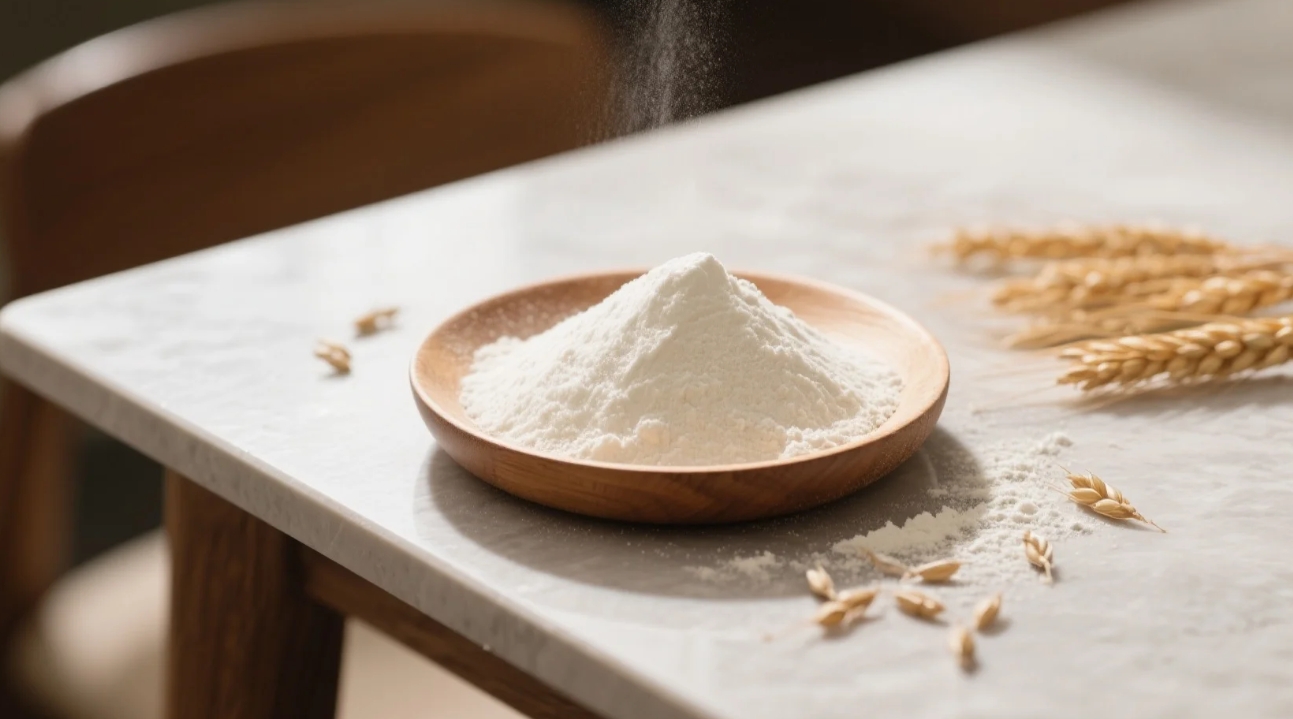
Organic maltodextrin powder hides in plain sight—tucked into nut butter, protein bars, and even your favorite spices. Vilified by wellness influencers yet essential for mass-produced foods, this misunderstood carbohydrate bridges the gap between industrial efficiency and culinary function. Here’s why manufacturers (and chefs) rely on it—and why organic maltodextrin rewrites the rules.
The Functional Alchemy: What Maltodextrin Actually Does
| Problem in Food Production | Maltodextrin Solution | Conventional Ingredient Alternative |
| Clumping powders (spices, protein shakes) | Absorbs moisture → prevents lumping | Silica (sand-like anti-caking agent) |
| Oily separation in nut butters | Binds fat/water → creamy texture | Hydrogenated oils (trans fats) |
| Ice crystals in frozen meals | Blocks water migration → smooth mouthfeel | Corn syrup solids |
| Flavor dilution in low-sugar foods | Carries taste compounds → mimics sugar’s richness | Artificial sweeteners |
Behind the scenes: Maltodextrin’s glucose chains dissolve instantly, making it the food industry’s “invisible glue.”
The Organic Difference: Clean Processing Saves Function
Conventional Maltodextrin Pitfalls
GMO Corn: 96% derives from glyphosate-treated corn
Chemical Hydrolysis: Sulfuric acid breakdown → bitter aftertaste
Heavy Metal Residues: Aluminum trays used in drying
Organic Maltodextrin Advantages
Non-GMO Tapioca/Cassava Base: Neutral flavor, low allergy risk
Enzymatic Hydrolysis: Sustainable fungal enzymes preserve integrity
Glass-Drying Systems: Zero metal contact → no aluminum contamination
Lab finding: Organic versions have 40% fewer short-chain sugars → reduces glycemic spike potential.
5 Overlooked Roles You Never Noticed
- Flavor Amplifier in Spices
Maltodextrin organic micro-encapsulates volatile oils (like garlic/peppermint), releasing them when heated → fresher-tasting seasonings. - Foam Stabilizer in Latte Art
Enables plant milks to hold intricate foam designs by strengthening bubble walls. - Color Protector in Freeze-Dried Fruit
Prevents oxidation in strawberries/blueberries → maintains vibrant reds/blues. - Binding Agent in Supplements
Turns powdered herbs into compressible tablets without magnesium stearate. - Calorie Adjuster for Athletes
Provides 4 cal/g vs. sugar’s 4 cal/g but dissolves faster than oats → quick fuel in endurance gels.
The Glycemic Myth: Separating Fact from Fear
Conventional Maltodextrin:
- GI up to 110(higher than table sugar!)
- Rapid absorption → insulin spikes
Organic Maltodextrin:
- GI range 45–85(varies by source)
- Slow-release chains in enzymatic processing → gentler curve
- Game-changer: Tapioca-based organic maltodextrin scores GI 55 in trials
Reality check: Most foods use ≤5% maltodextrin. A scoop in spice blend won’t spike blood sugar like a soda.
When “Organic” Redeems a Villain
For Sensitive Groups
- Diabetics: Tapioca/organic potato maltodextrin (GI 45) safer than corn versions
- Low-FODMAP Diets: Certified organic contains <0.5% fermentable sugars
- Histamine Intolerance: Doesn’t trigger mast cells like gums/stabilizers
Planet Impact:
- Tapioca farming regenerates depleted soils → no fertilizer runoff
- Enzymatic processing uses 70% less energy than acid-hydrolysis
The Chef’s Secret Upgrade
Artisanal producers leverage organic maltodextrin for:
- Velvety Vegan Ice Cream: Prevents ice crystals without eggs/gums
- Oil-Free Dressings: Mimics mouthfeel of olive oil in 100-calorie ranch
- Crispy Meatless Proteins: Creates golden crust on tofu without frying
Restaurant hack: Michelin kitchens dust foie gras with maltodextrin → instantly transforms it into melt-in-mouth powder.
How to Spot Truly Clean Maltodextrin
Red Flags to Avoid:
- Ingredients listed as “maltodextrin” alone (non-organic)
- Products with dextrose/fructose blends
Green Flags:
- “USDA Organic” + “Non-GMO Project Verified”
- Source specified (e.g., “organic tapioca maltodextrin”)
- ≤2g added sugars per serving
The Final Spoonful
Organic maltodextrin isn’t a “health food”—it’s a tool. A bridge between culinary art and food science that, when ethically sourced, solves problems no natural ingredient can match. It silences clumping spices before they ruin your chili, rescues nut butters from oil slicks, and sculpts diabetic-friendly desserts without sacrificing texture.
The next time you see it on a label, ask not “why maltodextrin?”—but “what kind?”. Choose organic, and you’re voting for enzymatic purity over chemical shortcuts… one lump-free smoothie at a time.
For the curious chef: Try organic tapioca maltodextrin in your next spice blend—you’ll taste the cleaner, brighter truth.
